Fimavyn and Metabolism Booster Red Flags: How to Spot Fake Reviews and Weak Labels
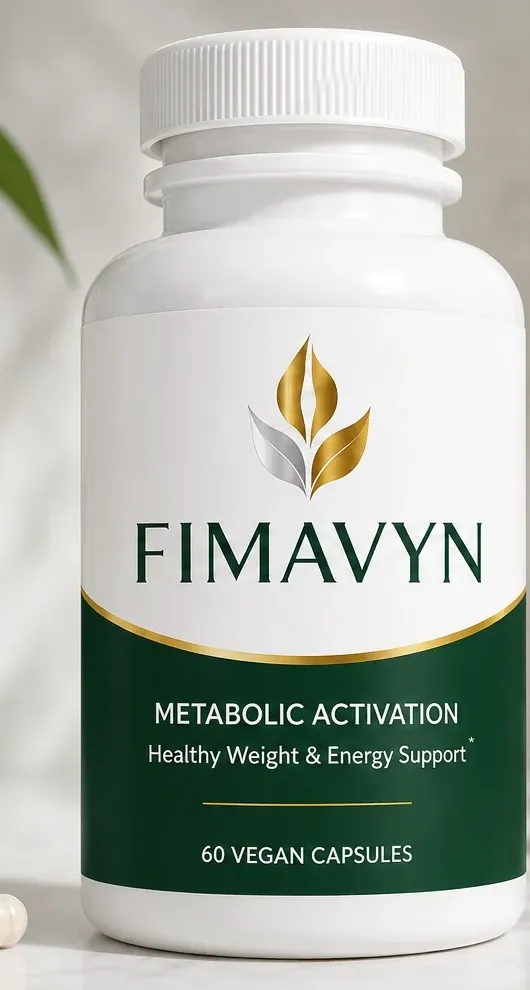
Written by the GoFimavyn editorial desk
Last updated · Who reviewed this page · How we write and review
Watch for three kinds of red flags: drug-like claims such as fat melting or FDA approved, labels with hidden blends or doses far below research, and reviews you cannot tie to a real order. FDA does not approve supplements before sale, and it has flagged hidden drugs in many weight-loss products.
What are the biggest red flags on a metabolism supplement?
Three kinds stand out: claims that sound like medicine, labels that hide or shrink the doses, and reviews you cannot trace. Spot any one of them and you should slow down.
The stakes are real. FDA's list of weight-loss product notifications runs past 150 entries, many of them for hidden drug ingredients (FDA, n.d.).
Claims
Words that promise a drug-like result, a cure or a quick change in pounds.
Labels
Blends with no amounts, doses far below research, or missing details.
Reviews
Perfect scores, copied wording and ads that pose as news.
The same checks apply to every brand, Fimavyn included. Skipping our own product would make the list worthless.
Which claims on a metabolism supplement should you question?
Question any claim that sounds like a drug. FDA lets supplement labels make structure or function claims, but not claims to treat or cure disease (FDA, 2024).
So a label may say it supports healthy weight. It may not say it treats diabetes or replaces a prescription.
Claim red flags to look for: 0 of 6 checked
FDA does not approve dietary supplements for safety or effectiveness before they are sold (FDA, n.d.). Any supplement ad that says FDA approved has the facts wrong.
What does an FDA-registered seal on a bottle like Fimavyn tell you?
It speaks about a factory, not the product. Facilities that make supplements must register with FDA (FDA, n.d.), and FDA does not issue or recognize registration certificates (FDA, n.d.).
So a round seal that says FDA registered is not a sign of approval or testing. A GMP seal from the seller is also not a lab report.
 Seller seal: describes a facility
 Seller seal: not a lab result
 A refund promise, not proof it works
These three seals come from the Fimavyn seller. The bottle label itself prints no GMP or FDA-facility line, so the seals add nothing the label confirms.
Which label details, on Fimavyn or any brand, deserve a second look?
Missing amounts and tiny doses are the main ones. A proprietary blend can list a total weight without saying how much of each herb it holds.
Even printed amounts need a second look, because a dose far below research tells you little. Our posts on berberine at 100 mg and green tea extract and the liver show how to run that check.
| Label detail | Why it matters | What to do |
|---|---|---|
| Blend with one total weight | No single herb can be matched to a study dose | Treat each herb in it as an unknown amount |
| Amounts far below study doses | Trial results may not apply | Compare each line with the doses used in research |
| No manufacturer named | You cannot tell who made it | Ask the seller who the maker is |
| Caffeine not stated | Hard to judge if you avoid stimulants | Ask, or choose a label that lists it |
| Lot code with no lab report | A code is not proof of testing | Ask for an independent lab report |
How can you tell whether metabolism supplement reviews are real?
Check whether each review can be tied to a real order. Without that link, a star score is just a number someone typed.
Too-smooth review pages share some habits. Every review is glowing, no one mentions a downside, and the photos look staged.
- Scores near five stars with thousands of ratings and no complaints
- Many reviews that use the same phrases or the same story
- Before-and-after photos with large pound counts
- Articles named after the brand, the word reviews and a year
- News-style pages where every link opens the same order form
Branded review articles online can be paid placements, so they are not proof of anything. As of October 12, 2026, no verified customer reviews of Fimavyn were found on this site's records. The Fimavyn reviews page shows marked blanks instead of borrowed praise.
Do metabolism supplements work well enough to justify big promises?
No. An NIH fact sheet for consumers says there is little evidence that weight-loss supplements work, and they can cost a lot and interact with medicines (NIH ODS, 2021).
The professional version rates chromium, green tea and capsaicin as having small effects of doubtful clinical value (NIH ODS, n.d.). Any ad that promises dramatic change is going far past the research.
The NIH center for complementary health adds that natural does not always mean safe, and that some weight-loss products have held hidden drugs (NCCIH, n.d.). If you take medicine, ask your doctor before trying any of them.
How does Fimavyn hold up against these red flags?
It passes some checks and fails others. The label sticks to support wording and carries the FDA disclaimer, but several doses are small and no study of the finished formula has been published.
Every verdict below rests only on what the label and the seller's terms say.
| Red flag | What Fimavyn shows | Verdict |
|---|---|---|
| Disease or drug claims | Label says Metabolic Activation and Healthy Weight & Energy Support, with the FDA disclaimer | Passes |
| FDA approved | Not claimed; seller seals describe a facility, and the label prints no FDA-facility line | Passes, with a note |
| Hidden amounts | Six lines show amounts; the 112 mg four-herb blend gives no single amounts | Partly fails |
| Doses vs research | Berberine about 97 mg vs 900-1,500 mg; alpha lipoic acid 150 mg vs 600-1,800 mg | Fails |
| Study of the product | None published | Fails |
| Verified reviews | None yet; the site shows marked blanks | Not yet checkable |
| Maker and lab report | Label names the distributor only; lot and CoA numbers are draft labels | Fails |
| Refund terms | Minimum 60-day money-back; start date not published; buyer pays tracked return shipping | Read the fine print |
You can see every line yourself on the Fimavyn Supplement Facts page.
Does a money-back guarantee like Fimavyn's mean a supplement works?
No. A guarantee is a promise about your money, not about results. It tells you how to get a refund if the product does not suit you.
Read the terms before you count on one. With Fimavyn, the sales page shows a minimum 60-day window, the start date is not published, and the buyer pays tracked return shipping. The refund policy lists the steps.
How do you report a misleading supplement?
Save your proof, put your health first and then file reports. Ads and sales pages can vanish fast, so capture them early.
- 1
Capture the page
Save screenshots and the web address, with the date.
- 2
Talk to your doctor
If you had a reaction, stop the product and get medical advice.
- 3
Report to FDA
Tell FDA about side effects or a product you think holds hidden drugs.
- 4
Report the ad
Send deceptive claims or fake reviews to the Federal Trade Commission.
If you weigh all of this and still want to try Fimavyn, the pricing page lists each pack, with prices shown at checkout. Go in knowing what the label does and does not prove.
Metabolism supplement red flags: questions people ask
Questions people type into Google and Bing, answered from the label and the sources on this page.
What gives away a fake supplement review?
Look for reviews that all sound the same, scores close to perfect, no low ratings and no way to confirm a real order. A review you cannot trace back to a buyer proves very little.
Are branded "Reviews 2026" articles paid advertising?
Many are. Articles with a brand name, the word reviews and a year in the headline are often paid placements. Check the top and bottom of the page for words like sponsored or advertorial.
Why do diet pill reviews appear on college websites?
Usually because a sales page was posted on a trusted site to borrow its search ranking. The school did not write it, and the topic rarely matches the rest of the site.
Which weight-loss label claims should make you suspicious?
Be wary of promises to melt fat, cure or treat a disease, replace a medicine or match a prescription drug. A supplement label may support a body function, but it may not claim to treat disease.
Do metabolism-boosting pills actually work?
The evidence is thin. An NIH fact sheet says there is little evidence that weight-loss supplements work, and they can cost a lot and interact with medicines.
What are fake news pages for diet pills?
They are ads dressed up as news stories, often with a made-up reporter or a dramatic personal story. Every link tends to lead to one order page.
How can you check whether a supplement seller is real?
Call the phone number, read the written refund terms and compare the label with what the ads say. A real seller answers questions and lists who pays return shipping.
If a supplement has a money-back guarantee, does that prove it works?
No. A guarantee is a refund promise, not evidence. Read who pays return shipping and when the window starts before you rely on it.
What do U.S. rules say about weight-loss claims on supplements?
FDA does not approve supplements before they are sold. Labels may make structure or function claims with the FDA disclaimer, but not disease claims.
Where do you report a supplement scam?
Tell your doctor first if you had a reaction. Then report side effects or suspected hidden drugs to FDA, and deceptive ads to the Federal Trade Commission.
Are Fimavyn reviews real?
Check whether any review can be tied to a real order. This site says no verified customer timeline has been shared, so read unverified praise on other pages with care.
How do I check if a Fimavyn label is honest?
Look for printed amounts on every ingredient, doses that match research, and no drug-like claims. Fimavyn prints six amounts, and this page audits the rest of the label openly.