What Are the Side Effects of Fimavyn? Six Safety Checks Before You Start
Written by the GoFimavyn editorial desk · Medically reviewed by Dr. Fatima Cody Stanford, MD, MPH, MPA, MD, Physician
Last updated · Review date: · Who reviewed this page · How we write and review
Nobody has tested Fimavyn as a finished product, so its own side effects are unknown. Its ingredients point to stomach pain from berberine, low blood sugar with diabetes drugs, rare liver injury from green tea extract and poor sleep from ginseng. It is not for anyone under 18, pregnant or nursing.
What do we actually know about Fimavyn side effects?
Less than we would like. No study of the finished capsule is published. So every safety point below comes from research on single ingredients, or from the label.
That research shows three main concerns. Blood sugar can drop too low when the capsules meet diabetes drugs. Berberine can upset the stomach. Green tea extract can, rarely, injure the liver (LiverTox, 2020).
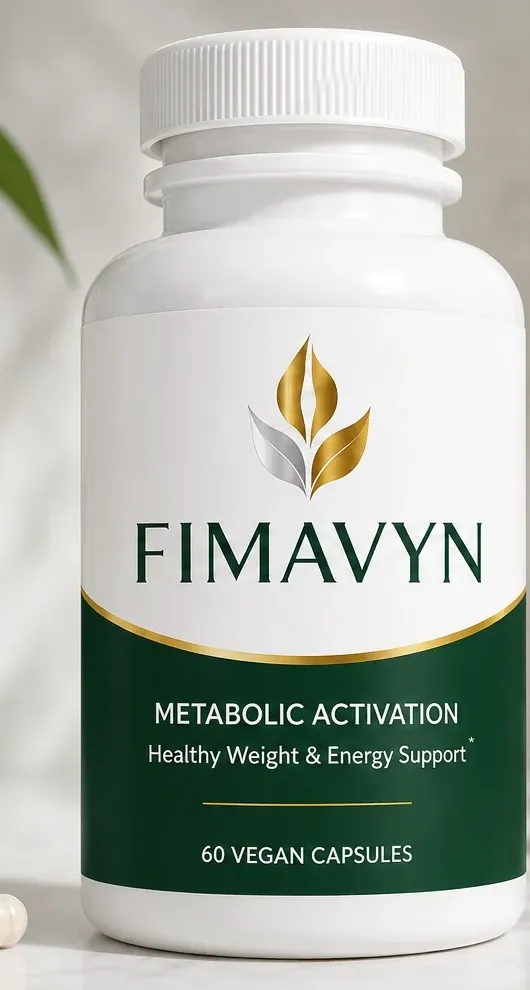
The label dose is two capsules a day. The label says do not exceed it.
Check 1: What safety warnings does the label print?
| Label wording | What it means for you |
|---|---|
| Do not exceed recommended dose | Two capsules a day is the full serving. More is not safer or faster. |
| Not for those under the age of 18 | Adults only. |
| Not for pregnant or nursing mothers | Skip it during pregnancy and breastfeeding. |
| Consult a physician, especially if taking a medication | Show the label to your doctor or pharmacist before the first dose. |
| Keep out of reach of children | Store the bottle up high or locked away. |
| Do not use if safety seal is damaged or missing | Leave that bottle closed and call the order desk. |
| Store below 30°C (86°F), cool and dry | Keep it away from a hot car, a stove or a steamy bathroom. |
These lines are short and easy to miss. Read them before the first dose, not after.
Check 2: Can Fimavyn push your blood sugar too low?
It can if you take diabetes medicine or insulin. Four Fimavyn ingredients may add to those drugs, and two blend herbs were studied for blood sugar too.
| Ingredient | Amount | Note |
|---|---|---|
| Berberine HCl | 100 mg | Can interact with some diabetes drugs (MSKCC, n.d.) |
| Chromium | 100 mcg | May add to insulin or diabetes medicines (NIH ODS, n.d.) |
| Alpha lipoic acid | 150 mg | Linked to low blood sugar (MSKCC, n.d.) |
| Asian ginseng | In blend, not printed | Might lower blood sugar (NCCIH, n.d.) |
| Banaba | In blend, not printed | Small, short studies reported lower glucose (Miura et al., 2012) |
Check 3: Could the berberine upset your stomach?
It might. A review of 18 berberine trials noted stomach pain as the side effect (Ye et al., 2021). Those trials used much more berberine than the 97 mg or so in one Fimavyn serving, so a small dose may be gentler. It is still not risk free.
Berberine also should not be used in pregnancy or breastfeeding, and it can interact with many drugs, including those cleared by CYP liver enzymes (MSKCC, n.d.).
- Take the capsules with a full glass of water
- Try them partway through a meal
- Keep to two capsules a day
- Stop and speak with your doctor if discomfort keeps coming back
Check 4: Is the green tea extract hard on the liver?
Liver injury from green tea extract is rare, and it usually clears after the pills stop (LiverTox, 2020). The Fimavyn amount is small next to the cases on record.
Case reports mostly involved about 1 to 1.86 g of extract a day. Fimavyn holds 150 mg. Its EGCG, about 75 mg, is far under the 800 mg a day that raised liver enzymes (EFSA, 2018).
No supplement dose of EGCG was named as assured safe. If you have a liver condition, ask your doctor first. Stop the capsules and get help if you feel unwell.
Check 5: What about sleep, bleeding, allergy and zinc?
Asian ginseng
May cause trouble sleeping, may interact with medicines and should be avoided in pregnancy and nursing (NCCIH, n.d.)
Resveratrol, 40 mg
High doses may add to bleeding risk with blood thinners (LPI, n.d.)
Milk thistle
Usually well tolerated, but it can cause allergy in people sensitive to ragweed (NCCIH, n.d.)
Cayenne adds heat. The label gives 40,000 heat units inside the blend, but the exact amount per serving is not printed. Zinc at 11 mg meets the daily need and stays well under the 40 mg upper limit (NIH ODS, 2026), though you should count zinc from other pills too.
The green tea extract may keep some caffeine. The amount is not stated on the label.
Check 6: What should you do if something feels wrong?
- 1
Stop taking it
Skip the next dose. Do not wait to see if it fades.
- 2
Get urgent help if severe
Call 911 for trouble breathing, swelling of the face or lips, fainting or confusion.
- 3
Show your doctor the label
Bring the bottle so your doctor can read every amount.
- 4
Tell the order desk
Call +1 (302) 200-3480 with your order ID to report it or ask about a refund.
You can also report a product you think holds hidden drugs, or a side effect, to the FDA. Hidden drugs have turned up in many weight-loss products (FDA, n.d.). That warning is about the category, not a finding about Fimavyn.
Who should not take Fimavyn at all?
- Anyone under 18
- Pregnant women and nursing mothers
- People on insulin or diabetes pills, unless their doctor agrees
- People on blood thinners, blood-pressure, thyroid or transplant drugs, unless their doctor agrees
- People on drugs cleared by CYP liver enzymes, unless a pharmacist has checked them
- Anyone with a liver condition, unless their doctor agrees
- People allergic to ragweed
Key facts
- Side effects of the finished formula are unknown; no study is published
- Main ingredient concerns: low blood sugar with medicine, stomach pain, rare liver injury, poor sleep
- Label bars under 18, pregnant and nursing; asks anyone on medicine to see a physician
- Fimavyn is not FDA approved, and no supplement is
Frequently asked questions
What side effects could Fimavyn cause?
The finished formula has not been tested, so its own side effects are unknown. Its ingredients are linked to stomach pain (berberine), low blood sugar with diabetes drugs, rare liver injury (green tea extract) and trouble sleeping (ginseng).
Is Fimavyn safe to take with metformin or insulin?
Not without your doctor. Berberine, chromium, alpha lipoic acid and ginseng may add to diabetes medicines or insulin, which raises the chance of low blood sugar.
Can pregnant or breastfeeding women take Fimavyn?
No. The label says it is not for pregnant or nursing mothers. Berberine and Asian ginseng are also advised against in pregnancy and breastfeeding.
Can I take Fimavyn with a blood thinner?
Ask your doctor first. High doses of resveratrol may add to bleeding risk with blood thinners, and berberine interacts with many drugs.
Can Fimavyn keep me awake at night?
It might for some people, because Asian ginseng can cause trouble sleeping. The caffeine content of the green tea extract is not stated on the label.
Can a Fimavyn bottle contain something not on the label?
We cannot rule it out, because no independent lab report is published. The lot and CoA references are draft labels, not lab proof. Check the seal, match the panel and buy from the authorized outlet.
Which Fimavyn side effects are possible from its ingredients?
Fimavyn itself is untested, but its ingredients point to stomach pain from berberine and low blood sugar when used with diabetes medicine. Ask your doctor before starting.
Could Fimavyn affect my sleep at night?
The formula includes green tea extract, so some people may be sensitive. Take it as the label says, two capsules a day with water, and ask your doctor if sleep is affected.
Our view
Fimavyn has a small, printed dose of most things, and that may keep risks lower. It does not remove them. The big one is the mix with diabetes medicine, and the fix is simple: talk to your doctor first.
Stay on the label dose. Check the seal. Keep your order email in case you need the order desk. If you feel unwell, stop and get medical help.
This page is general information. It does not replace advice from a clinician who knows your history. Fimavyn is a supplement, not a medicine, and it is not FDA approved.
Last updated November 18, 2026. Medically reviewed by Dr. Fatima Cody Stanford, MD, MPH, MPA, MD, Physician.