Is Fimavyn Safe in Pregnancy or While Breastfeeding? What the Label Says
Written by the GoFimavyn editorial desk
Last updated · Who reviewed this page · How we write and review
Medically reviewed by Dr. Fatima Cody Stanford, MD, MPH, MPA, MD, Physician
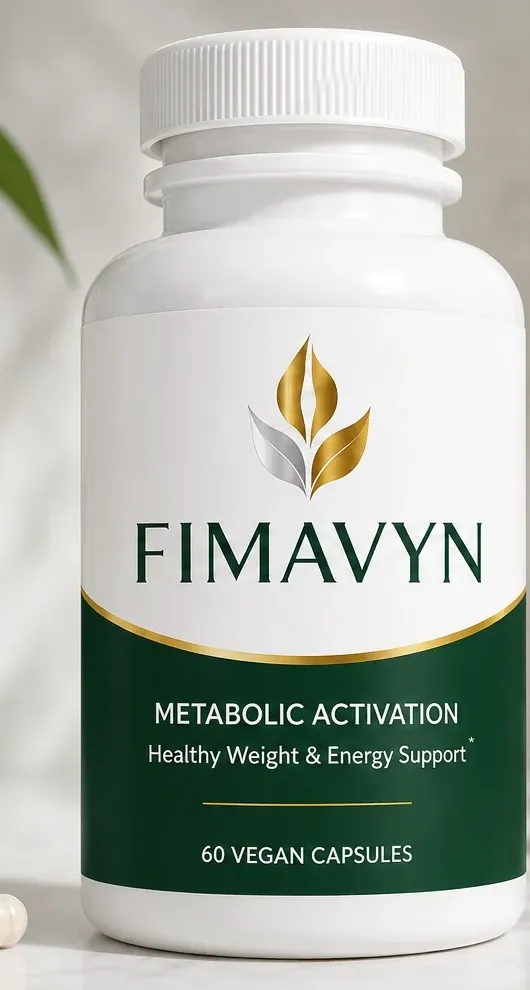
Fimavyn pregnancy advice is clear on the label: it is not for pregnant or nursing mothers. Berberine is ruled out in pregnancy and breastfeeding, and Asian ginseng is advised against in both. If you took capsules before you knew, stop and call your doctor. Take the bottle with you.
What are the key facts on Fimavyn pregnancy and nursing?
Fimavyn pregnancy questions are common, and the site answers them without hedging. The answer on the label is no.
- The label says: Not for pregnant or nursing mothers.
- It also says: Not for those under the age of 18.
- Berberine is advised against in pregnancy and breastfeeding.
- Asian ginseng, in the herbal blend, is advised against in pregnancy and nursing.
- The label asks everyone on medicine to consult a physician.
What does the Fimavyn label say about pregnancy?
It says one clear thing. The product is not for pregnant or nursing mothers. The warning sits among the safety lines on the left of the label.
| Label wording | What it means for you |
|---|---|
| Not for pregnant or nursing mothers | Skip it during pregnancy and while breastfeeding |
| Consult a physician, especially if taking a medication | Show the label to your doctor or pharmacist |
| Do not exceed recommended dose | Two capsules a day is the full serving |
| Keep out of reach of children | Store the bottle up high or locked away |
There is no small print that softens the first line. No trimester, dose or exception is mentioned.
Why do the sources agree with the Fimavyn pregnancy warning?
Two of the ingredients carry their own warnings. Memorial Sloan Kettering says berberine should not be used in pregnancy or breastfeeding (MSKCC, n.d.). The NIH center for complementary health advises avoiding Asian ginseng in pregnancy and nursing (NCCIH, n.d.).
Berberine is a main active in Fimavyn, at about 97 mg per serving. Asian ginseng sits in the 112 mg blend, with no single amount printed. So there is no way to say that a small amount is in play.
What about the other lines? Zinc, chromium, alpha lipoic acid, green tea extract, resveratrol, milk thistle, cayenne and banaba? The site publishes no pregnancy data on them. That is a gap, not a green light.
What if you took Fimavyn before you knew you were pregnant?
Stop taking it, and call your doctor. Do not wait to see how things go. A quick stop is always safer than waiting it out.
- Stop taking the capsules and skip the next dose.
- Call your doctor or midwife today.
- Bring the bottle, so the doctor can read every amount, including the 112 mg blend.
- Write down roughly when you started and how many capsules you took.
- Tell the order desk if you want a refund, by calling +1 (302) 200-3480 with your order ID.
The label gives no other guidance for this situation, and the site does not publish any. Your doctor is the right person to advise you.
Does the advice change if you are trying to conceive?
The label does not address it. Nothing on the bottle or the site speaks to people who are trying to conceive, so the guidance is not published.
The sensible step is to ask your doctor before you start. If a pregnancy could begin during the weeks you take the capsules, the doctor can weigh that with you. The safe default from the label is not to take it during pregnancy.
How does the advice apply to breastfeeding?
The same label line covers nursing mothers, so the answer is also to skip it. Berberine is advised against in breastfeeding, and so is Asian ginseng.
The label does not say when a mother may start after she stops nursing. That timing is not published. Ask your doctor, and bring the label with you.
There is no partial rule for nursing. The label does not offer a lower dose, a shorter course or a pause between feeds. The warning covers the whole period of nursing, so the cautious reading is to wait.
Our guide on who should not take Fimavyn sets pregnancy next to the other groups that should skip it or ask first.
Can you get a refund if Fimavyn is not suitable in pregnancy?
The sales page shows a minimum 60-day money-back guarantee on every pack. Call +1 (302) 200-3480 with your order ID to start a claim. The buyer pays tracked return shipping.
Whether any special terms apply for a medical reason is not published. Confirm the window and terms at the live checkout, and read the guarantee page.
Our view: what is the safe rule?
Our view is plain. If you are pregnant or nursing, do not take Fimavyn. If you are not sure, wait and ask your doctor first.
Fimavyn is a dietary supplement and is not FDA approved, as no supplement is. It treats no disease. This page is general information and is not personal medical advice.
Fimavyn pregnancy: questions people ask
Questions people type into Google and Bing, answered from the label and the sources on this page.
Can I take Fimavyn while pregnant?
No. The label says it is not for pregnant or nursing mothers.
Can I take Fimavyn while breastfeeding?
No. The same label line covers nursing mothers, and berberine is advised against in breastfeeding.
Why is berberine a problem in pregnancy?
Memorial Sloan Kettering advises against berberine in pregnancy and breastfeeding. Fimavyn holds about 97 mg of berberine per serving.
What if I took Fimavyn before I knew I was pregnant?
Stop taking it and call your doctor. Bring the bottle so the doctor can read every amount.
When can I start Fimavyn after I stop nursing?
The label gives no timing. Ask your doctor.
Is Fimavyn safe if I am trying to conceive?
The label does not address it, and the site publishes no guidance. Ask your doctor before you start.
Does the Fimavyn label allow use while breastfeeding?
No. The label says Fimavyn is not for pregnant or nursing mothers, and berberine is ruled out while breastfeeding. Talk to your clinician before using it again after you stop nursing.
Why does the Fimavyn label exclude pregnant women?
The label states it is not for pregnant or nursing mothers. Berberine is ruled out in pregnancy, and Asian ginseng is advised against, so a clinician should guide any plan.