Fimavyn Alpha Lipoic Acid: What 150 mg Means in Two Capsules
Written by the GoFimavyn team · Medically reviewed by Dr. Fatima Cody Stanford, MD, MPH, MPA, MD, Physician
Last updated · Who reviewed this page · How we write and review
Fimavyn holds 150 mg of alpha lipoic acid in each two-capsule serving. Studies used 600 to 1,800 mg a day, so one serving is about one quarter of the smallest study dose. It can add to the effect of diabetes medicine, so ask your doctor first if you take any.
What does the Fimavyn label say about alpha lipoic acid?
The Supplement Facts panel lists "Alpha Lipoic Acid (antioxidant fatty-acid compound)" at 150 mg. That amount is for one serving, which is two vegan capsules. A bottle holds 60 capsules, so it covers 30 servings.
It is one of six single actives with a printed amount. The other five are zinc 11 mg, chromium 100 mcg, green tea extract 150 mg, berberine HCl 100 mg and resveratrol 40 mg. Four more herbs share a 112 mg blend with no single amounts. Alpha lipoic acid is therefore one of the lines you can check against research, which makes it a fair place to start. The full panel is on the Fimavyn supplement facts page.
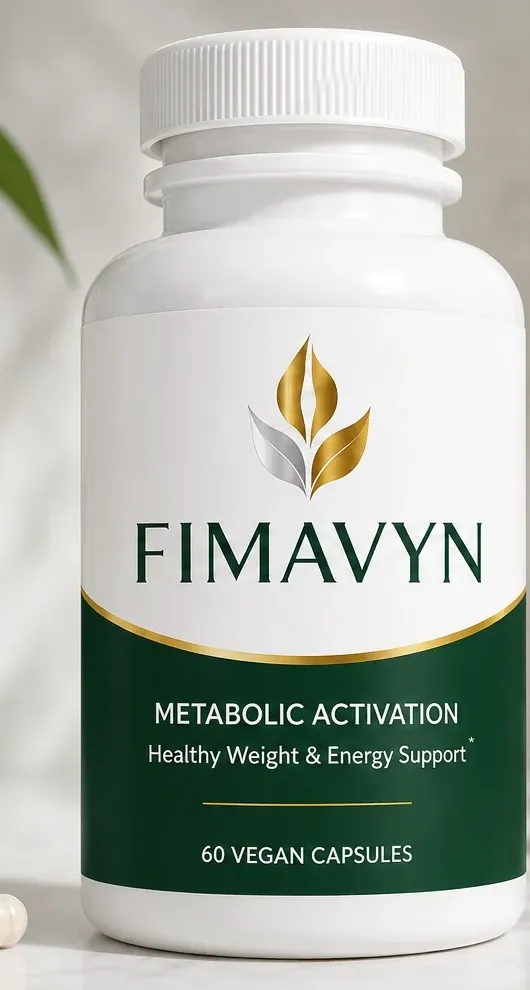
The label does not tie alpha lipoic acid to a promise. The front reads "Metabolic Activation" and "Healthy Weight & Energy Support," and each carries an asterisk. These are structure and function claims, not results.
How does 150 mg compare with the doses used in studies?
It is lower. The Linus Pauling Institute notes that studies used 600 to 1,800 mg a day (LPI, n.d.). One serving of Fimavyn gives 150 mg. That is one quarter of the smallest study dose, and about one twelfth of the largest.
| Measure | Amount | Source |
|---|---|---|
| Per serving (2 capsules) | 150 mg | Fimavyn label |
| Per capsule | 75 mg | Label amount divided by two |
| Study range, per day | 600-1,800 mg | LPI, n.d. |
| Share of the smallest study dose | One quarter | Worked out from the lines above |
A lower dose can mean a smaller effect, or none. No one has tested the finished Fimavyn formula, so nobody can say which. You can read the same comparison for berberine in our post on berberine 100 mg versus study doses.
What did research find about alpha lipoic acid and weight?
The weight results are small. One meta-analysis tied alpha lipoic acid to about 1.27 kg of short-term weight loss (Kucukgoncu et al., 2017). The studies it pooled used doses at the 600 mg level and above, not 150 mg.
The Linus Pauling Institute also links the compound to how the body uses glucose (LPI, n.d.). Many of those trials enrolled people with type 2 diabetes. They had more room to change than a healthy adult has.
So the research is real, but it does not map cleanly onto one Fimavyn serving. The label claims support for a daily routine. It does not claim a number of pounds or a date.
Who should ask a doctor before taking it?
Anyone who takes medicine. Memorial Sloan Kettering lists alpha lipoic acid as linked to low blood sugar, and to a rare condition called insulin autoimmune syndrome (MSKCC, n.d.). It may add to insulin or diabetes pills.
It is not the only line with that note. Chromium, berberine and Asian ginseng may also add to blood sugar drugs. Our post on Fimavyn with medications goes line by line.
- Adults only: the label says not for anyone under 18.
- Skip it if pregnant or nursing, as the label states.
- Show the bottle to your doctor if you take insulin, diabetes pills or blood thinners.
- Never go past two capsules a day.
The Fimavyn side effects page covers the other ingredients and what to do if something feels wrong.
Where does alpha lipoic acid fit in the Fimavyn formula?
It sits with chromium in what we can call the glucose group. Chromium picolinate adds 100 mcg, and both are studied for how the body uses glucose. Berberine and resveratrol are in the same group. Green tea extract and cayenne sit in a weight and energy group.
The idea behind the formula is broad support. Several ingredients, each at a modest amount, in one daily serving. That is a reasoned design and not a proven one. The how it works page sets out each group and the evidence behind it.
How do you take the daily serving?
The label reads, "As a dietary supplement, adults take two capsules daily with water." That is the whole day. Do not take more to make up for a missed day.
The label names no time of day. Pick a steady cue, such as breakfast. Store the bottle in a cool, dry place below 86°F (30°C). Our how to use page has the full routine, and the results timeline explains why you should judge it over weeks and not days.
Every pack carries a minimum 60-day money-back window, so you can test the routine on your own terms. See the guarantee page for how to claim.
Frequently asked questions
How much alpha lipoic acid is in Fimavyn?
Fimavyn has 150 mg of alpha lipoic acid per serving. A serving is two capsules, so each capsule carries about 75 mg.
Is 150 mg of alpha lipoic acid a high dose?
No. Studies used 600 to 1,800 mg a day, so 150 mg is about one quarter of the smallest study dose.
Can I take Fimavyn with diabetes medicine?
Ask your doctor first. Alpha lipoic acid, chromium, berberine and Asian ginseng may add to the effect of insulin or diabetes pills, so your doctor may want to check your blood sugar.